
Scenario Overview
Guidance on ensuring a mobile wallet is verified and active for international receipt. When receiving remittances digitally, an unverified wallet tier or an unlinked registered phone number often locks incoming money in limbo.
Root Cause Analysis & Practical Path
Digital wallets provide rapid access to international transfers, yet recipients frequently encounter unexpected holds. The most frequent friction point stems from tiered regulatory structures. In most domestic ecosystems, a basic unverified wallet allows small local peer payments but automatically rejects or freezes incoming cross-border deposits.
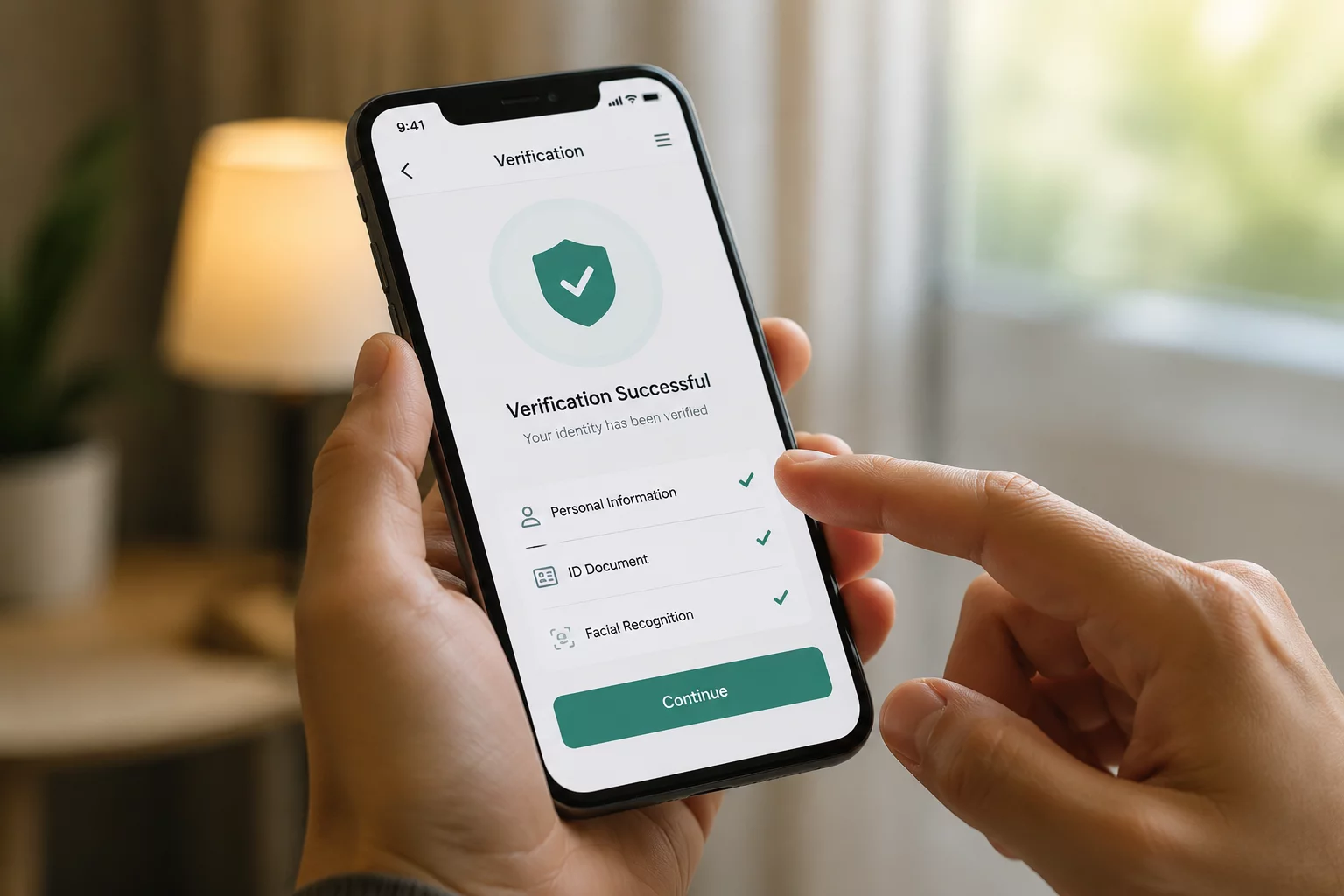
Financial institutions enforce strict anti-money laundering and Know Your Customer rules on incoming foreign currency routes. For an inbound transfer to clear smoothly, the recipient wallet must sit at a fully verified tier. That status demands uploaded government identification, biometrics, and a verified residential address matching national databases.
Another overlooked vulnerability is the alignment between the SIM card profile and the digital wallet account. If a mobile subscriber number belongs to an employer or family member rather than the recipient legal identity, automated compliance screeners flag the payout. Inbound foreign settlements require a single identical identity across telecommunications records, wallet credentials, and sender transfer paperwork.
Finally, recipients must monitor monthly balance and transaction caps. A transfer exceeding the monthly cumulative incoming threshold triggers an immediate system reversal or temporary lock. Ensuring your balance cap accommodates the anticipated remittance beforehand avoids painful days of administrative reviews.
Key Takeaway for Recipients
Complete advanced tier KYC verification and check your remaining monthly incoming balance limit before sharing wallet details with an overseas sender.
Recipient Resolution Framework
Step-by-step diagnostic process to resolve delivery exceptions safely.