
Scenario Overview
A case analyzing why a direct bank deposit failed due to inaccessible branch locations for the recipient. The sender presumed that direct account routing represented the fastest, safest, and most frictionless transfer method. However, physical branch limitations, intermediary hold procedures, and lack of functional mobile banking turned a seemingly effortless transfer into an exhausting multiday journey.
Root Cause Analysis & Practical Path
When the sender initiated the transfer, bank deposit appeared to be the cleanest choice with lower processing fees and no apparent collection hurdles. In international transfers, senders routinely assume their own modern digital banking experience exists on the receiving side. The recipient in this scenario possessed an active bank account, yet the financial institution operated only a single physical branch within a fifty-kilometer radius, with limited operating hours and restrictive in-person withdrawal rules for foreign remittance credits.
The receiving institution placed an automated compliance hold on the incoming cross-border wire because the transaction description contained a minor transliteration variance in the recipient’s middle patronymic. The system blocked online balance disbursement, requiring the account holder to appear in person before a designated counter teller with dual identification documents to sign foreign exchange release authorizations.
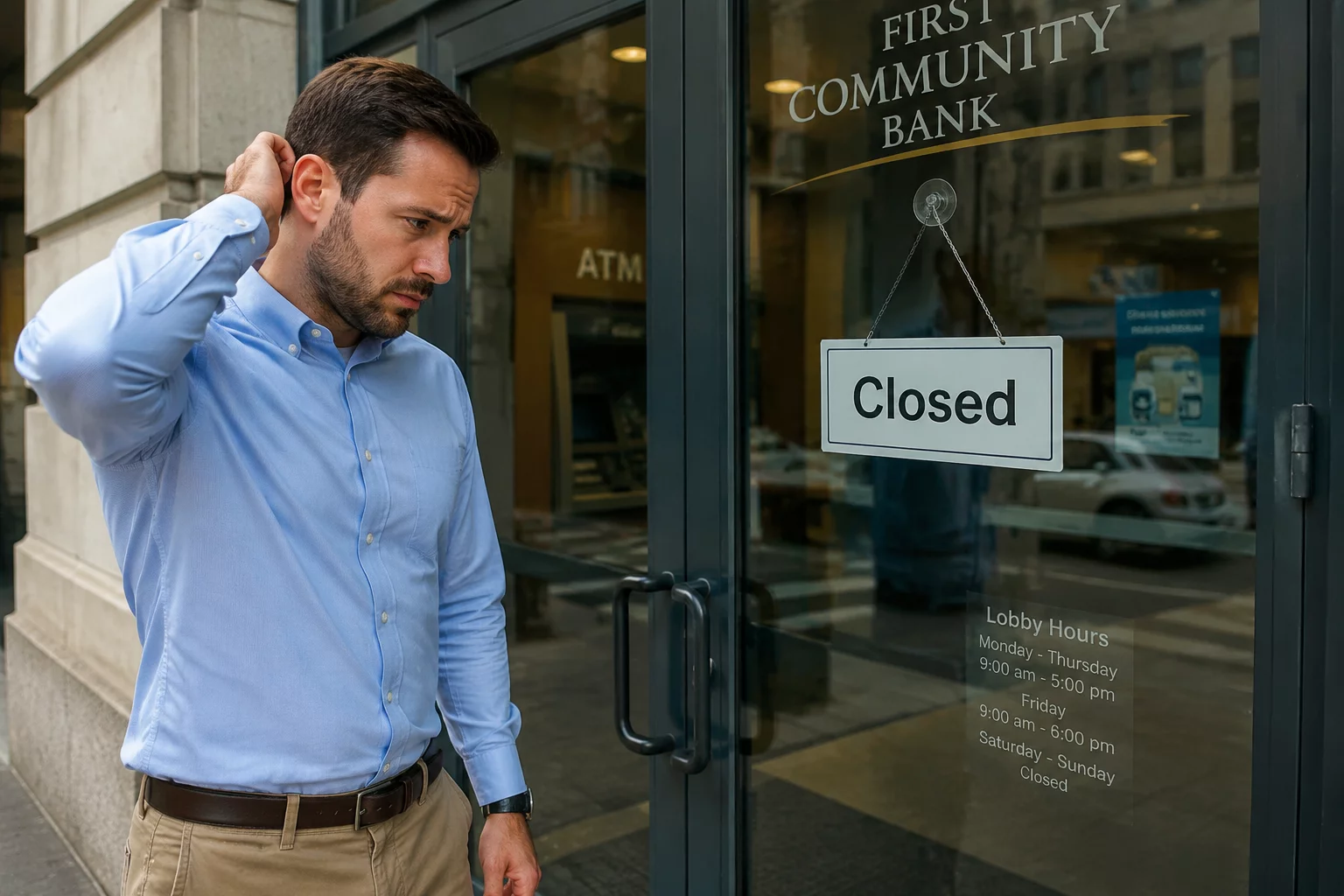
Upon arriving at the physical branch after a three-hour bus journey, the recipient discovered that foreign exchange settlement counters closed two hours earlier than standard retail teller windows. The funds remained locked within intermediary ledger buffers until the following business day, forcing an unplanned overnight stay and additional travel expenses.
Better preparation requires senders and recipients to verify realistic on-the-ground fund extraction mechanics before selecting bank deposit routing. If the recipient does not possess a fully unconstrained local debit card connected to a functional ATM network or lacks an activated digital banking portal with cross-border clearance capabilities, an accessible cash pickup agent or an integrated mobile wallet often proves substantially more practical.
Key Takeaway for Recipients
Always confirm physical branch operating rules, local ATM daily withdrawal limits, and inward international transfer release protocols before providing your account number to an overseas sender.
Recipient Resolution Framework
Step-by-step diagnostic process to resolve delivery exceptions safely.