
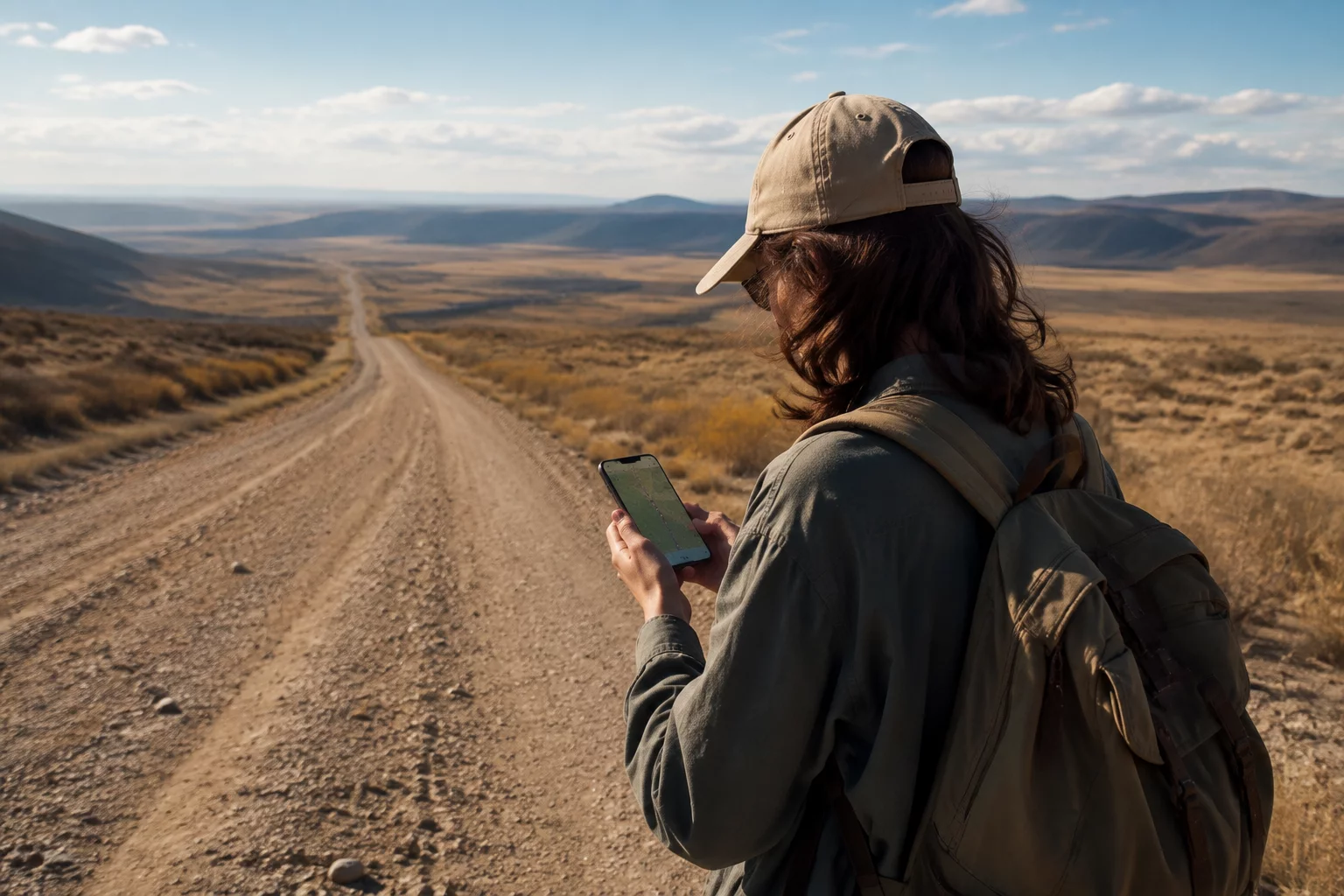
Scenario Overview
Exploring the practicality of cash pickup when the nearest location is hours away. Senders often assume that physical pickup is universally instantaneous and convenient, neglecting the reality of regional infrastructure, transit expenses, and rural branch coverage.
Root Cause Analysis & Practical Path
In cross-border transactions, the sender often selects a cash pickup mechanism because it promises immediate release once the transfer finishes processing. The friction surfaces when the disbursement network lacks physical partner points near the recipient's residence. In non-metropolitan or provincial areas, the designated agent branch may require hours of motorized travel, regional bus transfers, and substantial out-of-pocket expenses that erode the net value of the remittance.
Travel logistics compound the problem when agent operating schedules do not align with transit timetables. A recipient arriving after intermediate travel may find the agency closed for weekend observances, inventory reconciliation, or power outages. Senders can avoid this geographic bottleneck by auditing agent networks together with the recipient before dispatching funds or by routing the money directly to an active mobile wallet or accessible local bank account.
Key Takeaway for Recipients
Always confirm the exact physical address, daily working hours, and operational status of the nearest payout agent with your sender prior to transaction approval to prevent stranded funds and costly regional journeys.
Recipient Resolution Framework
Step-by-step diagnostic process to resolve delivery exceptions safely.